

The best brief we’ve ever received was four sentences long.
It described how the team worked, what wasn’t working about the current space, what mattered most to the people who’d be using it every day, and what success would look like twelve months after moving in.
The worst brief was forty pages. It specified materials, finishes, desk counts, meeting room quantities and technology requirements in exhaustive detail. It told us everything about what the client thought they needed and almost nothing about why.
The four-sentence brief produced a better outcome.
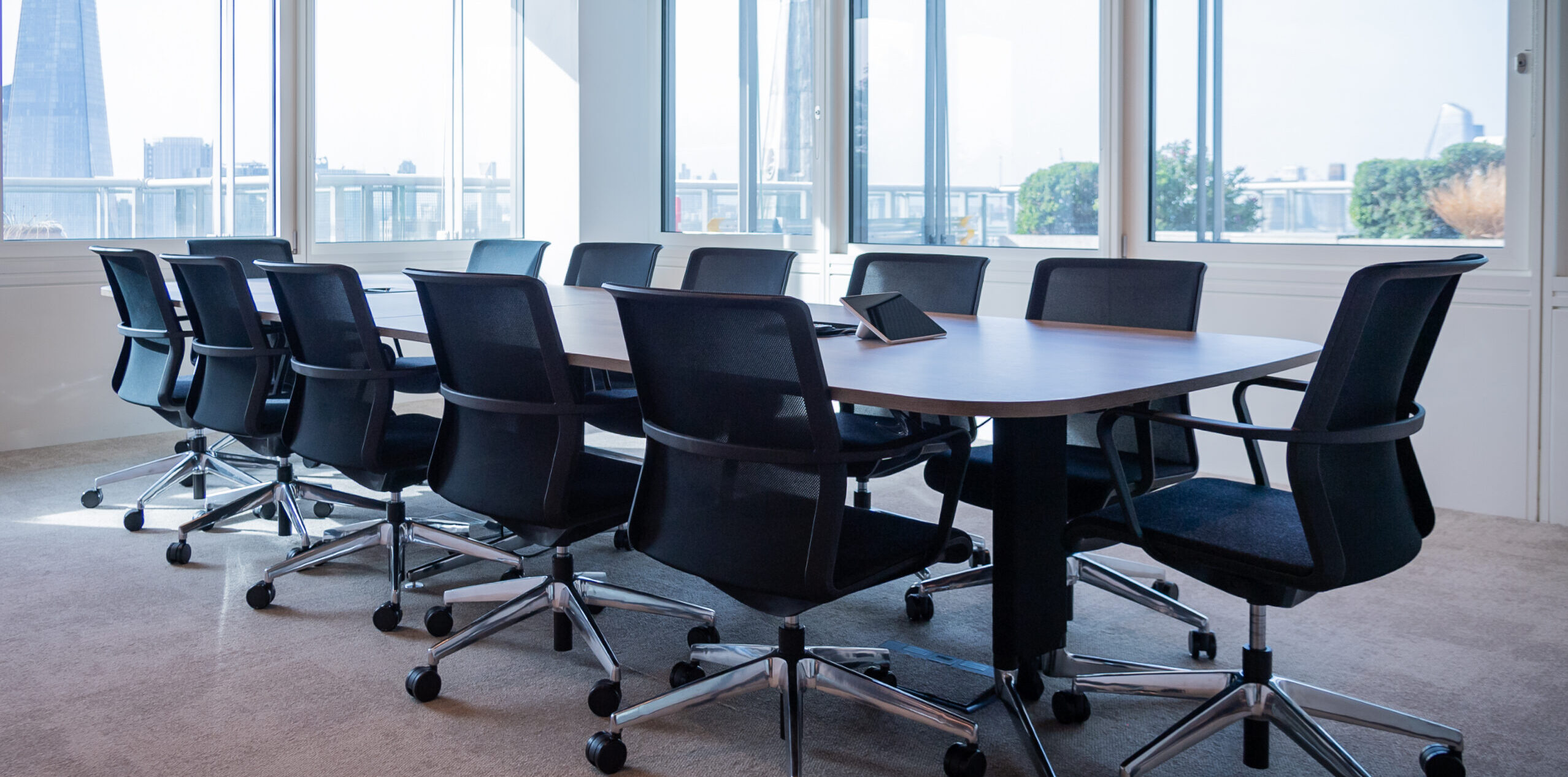
The most common brief we recieve is: more meeting rooms, more desks, better kitchen. What we’re really listening for is: what isn’t working.
The assumptions that cause problems
Most fitout briefs are written by people who know their business well but haven’t built many offices. Which is completely understandable — commissioning a fitout is not a regular occurrence for most organisations.
The problem is that briefs written from inside an organisation tend to reflect the current state rather than the desired future state. They describe the office as it is — how many people, how many meeting rooms, what the kitchen looks like — rather than how it should work.
And they tend to encode the problems of the current space without realising it. If the current office has twelve meeting rooms and they’re always full, the brief asks for more meeting rooms. But the meeting rooms might always be full because there’s nowhere else to have a quiet conversation — not because the organisation genuinely needs twelve rooms booked wall-to-wall.
The brief describes the symptom. The design should address the cause.
The difference between a space problem and a flow problem
The most useful reframe we offer clients early in the process is the distinction between a space problem and a flow problem.
A space problem is a shortage: not enough desks, not enough rooms, not enough storage. These are real and solvable.
A flow problem is a mismatch: people can’t find the right kind of space at the right time, so they use what’s available instead. Meeting rooms become focus booths. Open plan becomes the only option for a call that should be private. The kitchen becomes the only informal meeting space in the building.
Flow problems don’t get solved by adding more of the same. They get solved by changing the mix — introducing different kinds of space that give people real choices about where to work depending on what they’re doing.
Identifying which kind of problem you have is the most important thing a fitout brief can do. And it’s almost impossible to do from the inside without an outside perspective.
Questions worth asking before you write a requirement
Before any requirement goes into a brief, it’s worth asking:
- Why does this need to exist? What does it enable that the current space doesn’t?
- Who uses this, and how? Daily, occasionally, for what kind of work?
- What happens if we don’t include it? Would something else do the job instead?
- Is this what we need, or is it what we’re used to?
The last question is the most powerful and the most uncomfortable. Organisations replicate familiar patterns because they’re familiar, not because they’re optimal. A fitout is one of the few opportunities to change the pattern — but only if the brief allows for it.
How the brief shapes the budget
There’s a persistent belief that the brief follows the budget — that you set a number first and then work out what you can fit inside it. In our experience, this produces the worst outcomes.
A brief that’s shaped by a budget ceiling tends to cut the things that are hardest to specify and easiest to value-engineer: acoustic design, lighting quality, specification depth. These are also, consistently, the things that have the most impact on how the space performs over time.
The more productive sequence is the reverse: understand what the space needs to do, design to meet those needs, and then have an honest conversation about where cost can be managed without compromising what matters most.
This requires a contractor who’s willing to have that conversation early and honestly, rather than pricing what they’re given and raising variations later. It also requires a client who’s willing to be challenged on their initial assumptions.
The briefs that produce the best outcomes are the ones where both sides are doing that work together.
What a good fitout conversation looks like
In practice, our best client relationships start not with a brief but with a walkthrough of the current space and a conversation about how it’s actually used.
We’re looking for the things that don’t make it into documents: the corner that everyone avoids, the meeting room that’s always booked but always slightly wrong, the kitchen that’s supposed to be a social space but nobody lingers in.
We’re listening for the gap between how the space is described and how it’s experienced.
That gap is where the real brief lives. And closing it — designing a space that works the way the people in it actually work — is the job.