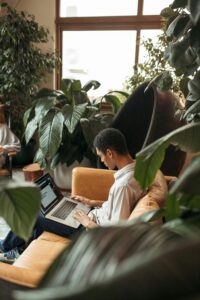

Workplaces today are more diverse than ever before. For the first time, up to four generations may be working within the same organisation. From early-career employees entering the workforce to experienced professionals approaching retirement, each group can have different expectations of how a workplace should function. For businesses planning their next office fit out, recognising these differences is becoming increasingly important. A well-designed workplace should support collaboration, productivity and wellbeing for all employees, regardless of their stage in their career. Designing with a multigenerational workforce in mind can help organisations create environments that are both inclusive and adaptable.
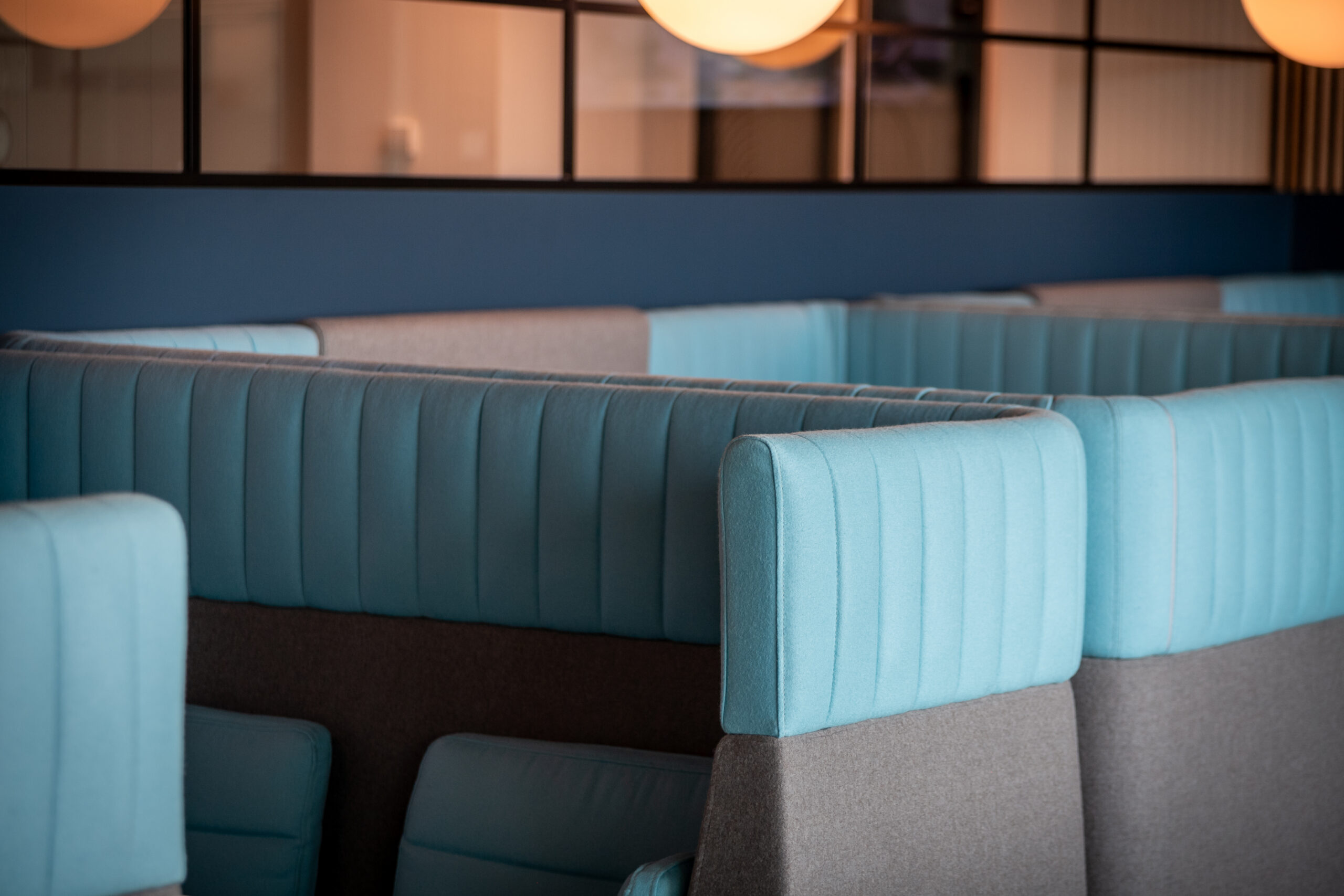
Understanding Different Workplace Needs
Different generations often bring varying working styles, preferences and expectations to the workplace.
Younger employees may prioritise collaboration, social spaces and opportunities for interaction. Many are comfortable with flexible and technology-driven working environments.More experienced employees may value quieter areas that support focus, privacy and concentration, particularly for tasks requiring deep work.
This doesn’t mean designing separate environments for different age groups. Instead, successful workplaces provide a range of spaces that allow employees to choose how they work throughout the day.
The Role of Workplace Flexibility
Flexibility has become a defining feature of modern office design.
A well-planned office fit out should include a variety of environments that support different working styles, including:
- Open collaboration areas
- Quiet zones for focused work
- Informal meeting spaces
- Private rooms for confidential conversations
- Breakout areas that encourage interaction
Providing a mix of spaces ensures employees can select environments that suit the task they are completing, which benefits teams with varied working preferences.
Accessibility & Inclusivity
Designing for a multigenerational workforce also means considering accessibility and comfort.
Elements such as ergonomic furniture, good lighting, clear circulation routes and acoustic control contribute to a workplace that feels comfortable and usable for everyone.
As workforces age, accessibility considerations are becoming increasingly relevant in workplace design. A thoughtful office fit out can ensure the environment supports employees throughout different stages of their careers and help them to visualise what a longer career with the company would look like, increasing employee retention rates.
Technology That Works For Everyone
Technology is central to the modern workplace, but it needs to be intuitive and easy to use.
Meeting rooms, collaborative tools and workplace systems should be designed so that employees can engage with them easily. Simple and reliable technology supports productivity and ensures no employees feel excluded from how work happens.
When technology is integrated effectively into workplace design, it enhances collaboration between teams regardless of their working style or experience.