

For most dealerships, closing the doors during a refurbishment simply isn’t an option.
Every day out of operation means lost sales opportunities, interrupted aftersales activity and a customer experience that falls short of expectations. Yet many contractors still present closure as the safest – or even the only – way to deliver a refurbishment.
It doesn’t have to be that way.
With the right planning, sequencing and communication, the vast majority of dealership refurbishments can be delivered while the business continues trading. Customers can continue browsing vehicles, service departments can remain operational and sales teams can keep doing what they do best.
The difference isn’t luck.
It’s planning.
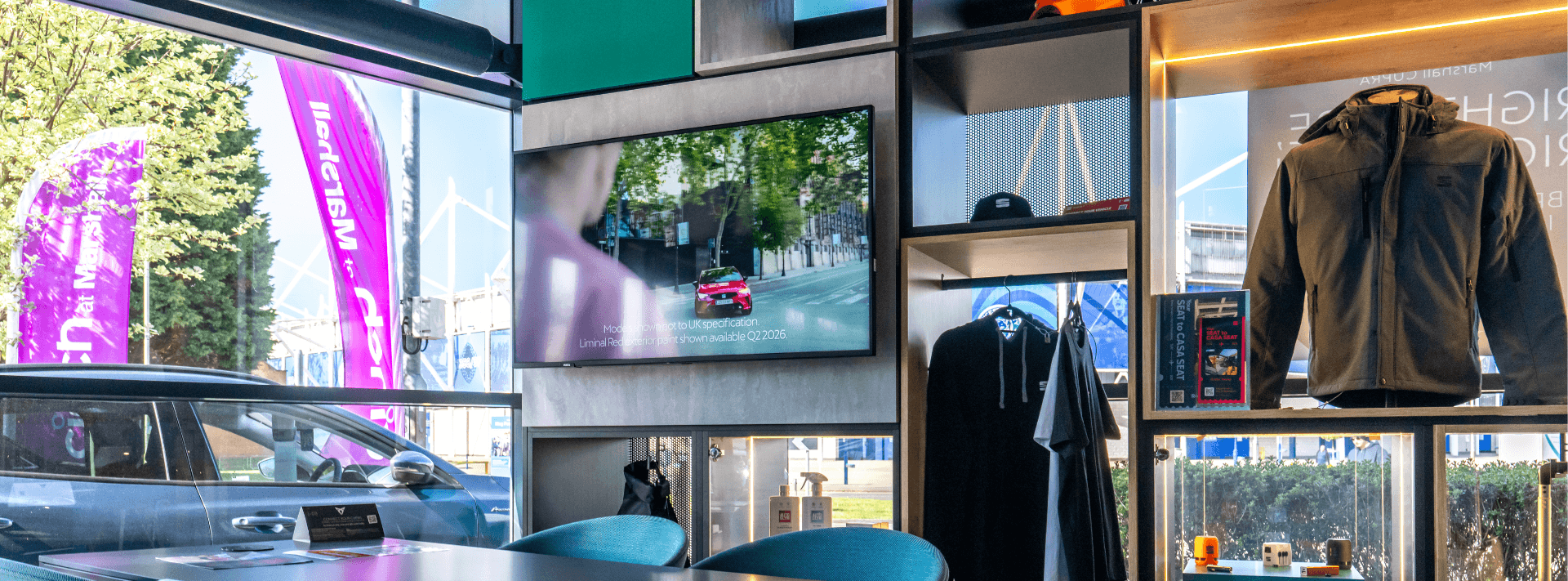
The success of a live refurbishment isn’t measured by how invisible the construction is—it’s measured by how uninterrupted the dealership remains
Closing the dealership should be the exception, not the rule
Live-environment refurbishment requires a different mindset from day one.
Rather than asking, “How quickly can we complete the work?”, the first question should be:
“How can we complete the work while protecting the dealership’s operation?”
That changes every decision that follows.
Work areas become carefully defined phases rather than one large construction site. Temporary customer routes are planned before hoardings are erected. Deliveries are scheduled around busy trading periods, and noisy or disruptive activities are often completed outside customer-facing hours.
Construction becomes something that works around the business – not the other way around.
Phased programming in practice –
A successful live refurbishment is rarely completed in one continuous operation. Instead, the dealership is divided into manageable zones that can be isolated, refurbished and handed back before work begins elsewhere. One area might be completed while another remains fully operational.
Customer routes evolve as the programme progresses. Trades move through the building in a carefully coordinated sequence to avoid unnecessary disruption or rework. This approach requires more planning than a traditional refurbishment, but it significantly reduces the impact on day-to-day operations.
It also allows the dealership to maintain a professional appearance throughout the programme, rather than feeling like an active construction site.
What customers should – and shouldn’t – notice –
Customers understand that businesses invest in improving their facilities. What they shouldn’t experience is confusion, inconvenience or unnecessary disruption.
Well-managed projects maintain clear wayfinding, safe pedestrian routes and clean, organised work areas throughout the refurbishment. Dust, noise and deliveries are controlled wherever possible. Temporary receptions or waiting areas are designed to feel intentional rather than improvised.
Most importantly, customers should still receive the level of service they expect from the dealership, regardless of what’s happening behind the scenes.
When the refurbishment has been properly planned, many visitors barely notice that construction is taking place.
If a refurbishment requires the business to stop trading, the planning probably started in the wrong place.
Keeping the team informed –
Dealership staff play a critical role in the success of any live refurbishment.
They are the people speaking to customers every day, adapting to temporary layouts and maintaining service throughout the programme. That only happens when communication is consistent. Staff should understand what’s happening, when each phase begins, how access routes will change and what temporary arrangements are in place.
Regular updates reduce uncertainty, help teams plan ahead and ensure everyone is working towards the same goal.
The smoother the communication behind the scenes, the smoother the experience for customers.
The work that happens before site starts –
The success of a live refurbishment is usually determined long before anyone arrives on site.
Pre-construction planning includes far more than producing a programme. It involves understanding dealership operations, identifying peak trading periods, mapping customer journeys, coordinating deliveries, agreeing temporary working arrangements and identifying activities that need to happen outside normal trading hours. Every one of those decisions reduces risk once construction begins.
The more detailed the planning, the less reactive the project becomes.
Choosing a contractor with genuine live-environment experience –
Many contractors say they can work in occupied buildings. Automotive refurbishment demands more than that.
It requires experience of busy showrooms, active workshops, manufacturer standards and customer-facing environments where presentation matters every day.
When speaking with potential contractors, don’t just ask if they’ve completed live refurbishments.
Ask them how they sequence works, how they maintain customer access, how they manage dust and noise, how they communicate with dealership teams, how they respond when the programme needs to change.
The quality of those answers will quickly tell you whether live trading is something they’ve genuinely delivered—or simply something they say they can.
Building around the business –
The most successful dealership refurbishments don’t ask the business to stop operating.
They adapt around it.
With careful planning, clear communication and an experienced delivery team, refurbishment becomes part of the dealership’s ongoing operation rather than an interruption to it.
That’s better for customers.
Better for staff.
And ultimately, better for the business.
Successful live projects aren’t built around construction programmes. They’re built around the way dealerships operate
If you’re planning a showroom refurbishment and want to explore how your environment can better support sales, we’d be happy to talk you through our approach.