

Every manufacturer has a Corporate Identity (CI) programme.
Every dealership knows they’ll need to comply with it.
What many don’t appreciate until the project begins is just how different a CI upgrade is from a standard refurbishment.
Unlike a typical fitout, a CI project isn’t simply about improving the appearance of a dealership. It’s about delivering a manufacturer-approved environment that meets a highly detailed set of standards, follows a strict approval process and often involves multiple stakeholders beyond the dealer and contractor.
Done well, a CI upgrade strengthens brand consistency, enhances the customer experience and protects the value of the franchise.
Done badly, it can lead to programme delays, unnecessary costs, repeated approvals and disruption to trading.
Understanding what’s involved before work starts is one of the biggest factors in delivering a successful project.
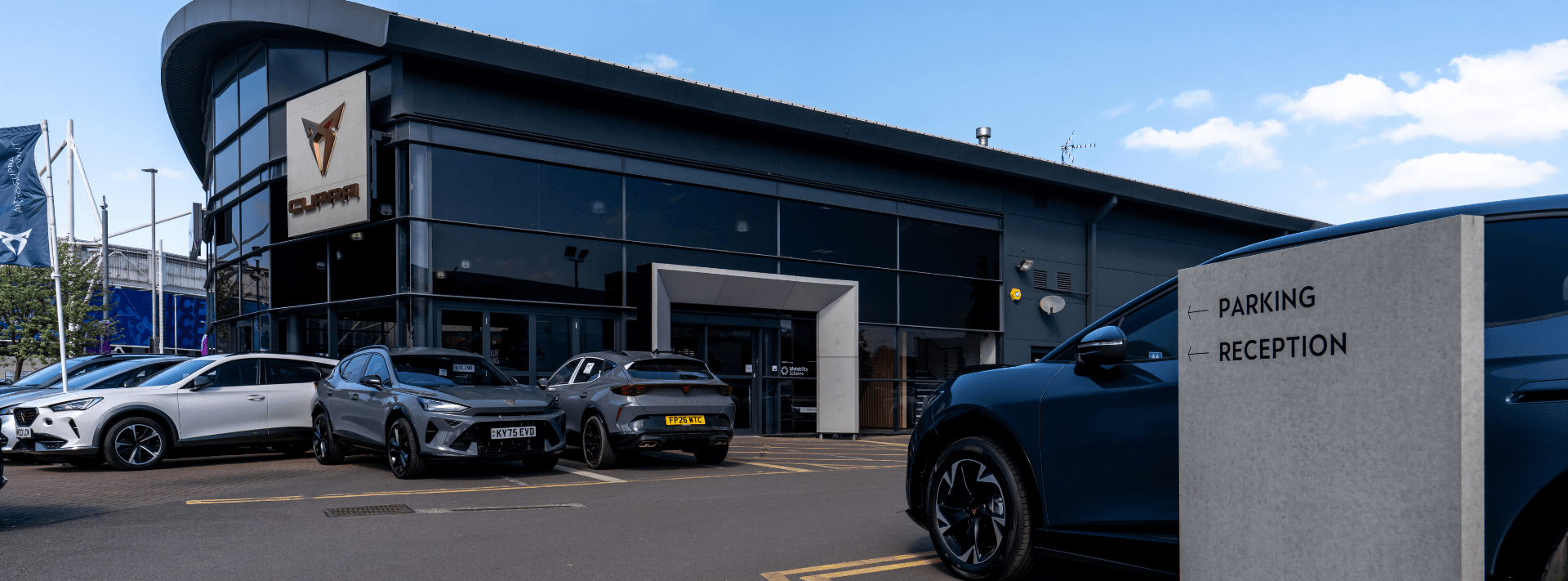
“A successful CI upgrade isn’t measured by how quickly it’s built—it’s measured by how few surprises there are along the way.”
A CI upgrade is more than a refurbishment
On the surface, many CI projects appear straightforward. New furniture, updated finishes, new signage, fresh branding…
In reality, they’re considerably more complex.
Every element is driven by manufacturer standards that dictate not only how the finished dealership should look, but often the products that can be used, the suppliers involved and the documentation required before installation can even begin.
In many cases, several workstreams are running simultaneously:
- Building works.
- Manufacturer approvals.
- Brand-approved procurement.
- Direct suppliers.
- Signage contractors.
- Furniture installers.
- IT integration.
All while the dealership continues trading.
That’s why experience matters. A contractor delivering CI programmes needs to understand the process as well as the construction.
Understanding the specification –
One of the first challenges is interpreting the manufacturer’s design guide. Most franchise standards include a combination of mandatory requirements and recommended enhancements. Knowing the difference can have a significant impact on programme, budget and approval.
Equally important is ensuring everyone is working from the latest version of the documentation. Manufacturers regularly update their CI standards. Small changes to finishes, lighting, graphics or furniture specifications can create expensive issues if they’re identified late in the programme. Successful projects begin by validating the brief before procurement starts – not after materials have been ordered.
The approval process starts earlier than many expected –
Manufacturer approval isn’t a single milestone at the end of the project. It’s woven throughout the programme. Depending on the franchise, approvals may be required for layouts, finishes, signage, branding, furniture packages, external works and completed installations.
Each stage can influence the next. Miss one approval or submit incomplete information and the programme can quickly lose momentum. Experienced automotive contractors understand what information manufacturers typically expect and build those review periods into the programme from day one.
That proactive planning removes uncertainty later in the project.
Every manufacturer has a standard. The real challenge is turning that standard into a live project without disrupting the business.
Procurement is often the biggest programme risk –
One of the most common reasons CI programmes overrun isn’t construction. It’s procurement.
Many branded materials, furniture packages, signage systems and specialist fixtures have significantly longer lead times than standard commercial products. Some can only be purchased through approved suppliers.
Others are manufactured overseas or produced to order. Without early planning, installation teams can find themselves waiting for critical components while completed areas remain unfinished. Good programme management starts months before materials arrive on site.
It means identifying long-lead items during pre-construction, placing orders early and maintaining clear communication with every supplier throughout the project.
Coordinating multiple manufacturer suppliers –
Unlike conventional refurbishment projects, franchise CI upgrades often involve suppliers that the main contractor doesn’t appoint directly.
- Signage specialists.
- Digital display providers.
- Furniture manufacturers.
- Brand graphics installers.
- Vehicle equipment suppliers.
Each has their own programme, delivery dates and installation requirements. Without clear coordination, even small delays can create knock-on effects for every trade that follows.
An experienced contractor acts as the central point of coordination, ensuring every supplier understands when they need to be on site and how their work fits into the wider programme. That level of planning becomes even more important when the dealership remains fully operational throughout the project.
Documentation protects everyone –
The physical work may be complete, but the project isn’t finished until it’s been properly documented and signed off. Manufacturers typically require evidence that installations comply with their standards before issuing final approval. Depending on the programme, that may include photographs, completion records, certification, as-built information and confirmation that approved products have been installed correctly.
Comprehensive documentation protects both the dealer and the manufacturer.
It provides confidence that the dealership complies with current standards while creating a clear record for future audits or subsequent CI updates. Treating documentation as an afterthought often leads to unnecessary delays at the very end of the project.
Ask questions such as:
One of the biggest advantages an experienced CI contractor brings isn’t simply delivering the work.
It’s asking the questions that prevent problems before they happen.
Questions such as:
- Which version of the manufacturer standard applies?
- Which products require manufacturer approval?
- What are the longest procurement lead times?
- Which suppliers will be appointed directly by the manufacturer?
- What approvals are needed before construction starts?
- How will the dealership continue trading during each phase?
- What evidence will be required for final sign-off?
The answers shape the programme long before the first contractor arrives on site.
A successful CI programme begins with planning –
Corporate Identity programmes are about far more than delivering a compliant showroom.
They’re about protecting the manufacturer’s brand while enabling dealerships to continue operating successfully throughout the process. The most successful projects aren’t those with the fastest construction programmes. They’re the ones where approvals, procurement, coordination and installation have all been considered from the outset.
That’s what keeps programmes moving.
Keeps dealerships trading.
And ensures the finished environment meets both manufacturer expectations and customer expectations from day one.
345 Interiors sees Corporate Identity programmes as more than a construction exercise. They’re about protecting the manufacturer’s brand, supporting the dealership’s operation and delivering a seamless experience from planning through to final sign-off.
If you’re planning a showroom refurbishment and want to explore how your environment can better support sales, we’d be happy to talk you through our approach.