

For most dealerships, considerable time and budget is invested into marketing, lead generation, CRM systems and sales training. Yet one of the most influential factors in whether a customer ultimately buys a vehicle is often overlooked.
The showroom itself.
Long before a salesperson introduces themselves, before finance options are discussed, or before a customer even sits in the driver’s seat, they have already formed an opinion about your dealership. Within seconds they are subconsciously judging the quality of your business, the professionalism of your team and, by extension, the value of the vehicles you sell.
The physical environment isn’t simply where sales happen. It actively influences whether they happen at all.
For dealer principals and property teams, this changes the conversation around refurbishment. Rather than viewing investment in the showroom as an operational expense or cosmetic upgrade, the most successful automotive retailers recognise it as a commercial asset capable of improving customer confidence, supporting higher conversion rates and strengthening long-term brand perception.
Acoustic dissatisfaction is one of the most consistent findings in post-occupancy surveys of new offices. In almost every case, the problem was preventable at design stage.
Customers decide more than you think in the first 30 seconds
Psychologists have long understood the importance of first impressions. In retail environments, customers make rapid judgements based on visual cues before engaging with staff. Lighting, cleanliness, layout, material quality and organisation all contribute to perceptions of professionalism, trust and quality.
Automotive retail is no different.
A customer walking into a dealership isn’t only evaluating the vehicles. They’re evaluating whether this feels like somewhere they can confidently spend £20,000, £40,000 or even £80,000.
They ask themselves questions without realising it:
- Does this business look successful?
- Are these vehicles well looked after?
- Will I receive good service here?
- Does this environment feel premium enough for the brand?
If the environment creates uncertainty, the sales team begins every conversation having to overcome it.
If the environment creates confidence, the salesperson starts with an advantage.
This is why dealership design has become increasingly strategic for manufacturer networks and independent retailers alike. The showroom communicates your standards before anyone says a word.
Four areas have the greatest commercial impact –
Not every square metre contributes equally to customer experience. The highest-performing dealerships understand which spaces influence buying behaviour most and prioritise investment accordingly.
1. The Entrance –
Every customer journey begins here.
The entrance establishes expectations within moments. Natural light, uncluttered circulation routes, premium finishes and clear brand identity immediately communicate professionalism.
Conversely, tired flooring, dated reception desks or poor lighting subtly undermine confidence before conversations even begin.
A well-designed entrance should feel effortless. Customers should instinctively understand where to go while feeling welcomed rather than overwhelmed.
2. The Vehicle Display Floor –
The vehicles are naturally the stars of the showroom—but the surrounding environment determines how well they perform.
Successful display areas avoid visual clutter and allow each vehicle adequate breathing space. Lighting highlights bodywork and finishes without creating glare, while flooring, ceiling treatments and colour palettes work together to elevate the product rather than compete with it.
Customers should move naturally around the space, discovering vehicles without confusion or obstruction.
The best display environments create a premium retail experience that encourages customers to spend more time exploring.
3. Consultation Areas
This is where buying decisions become commercial decisions.
Customers discussing finance, specifications and part exchange values need an environment that supports concentration and trust.
Well-designed consultation spaces balance openness with privacy. Comfortable furniture, good acoustics and thoughtful lighting reduce distractions and encourage relaxed conversations, allowing sales teams to focus on building relationships rather than competing with surrounding noise.
Small improvements in these spaces often have a disproportionate impact because this is where hesitation becomes commitment.
4. Vehicle Handover Spaces –
The handover is frequently underestimated.
Yet for many customers it is the emotional high point of the purchasing journey.
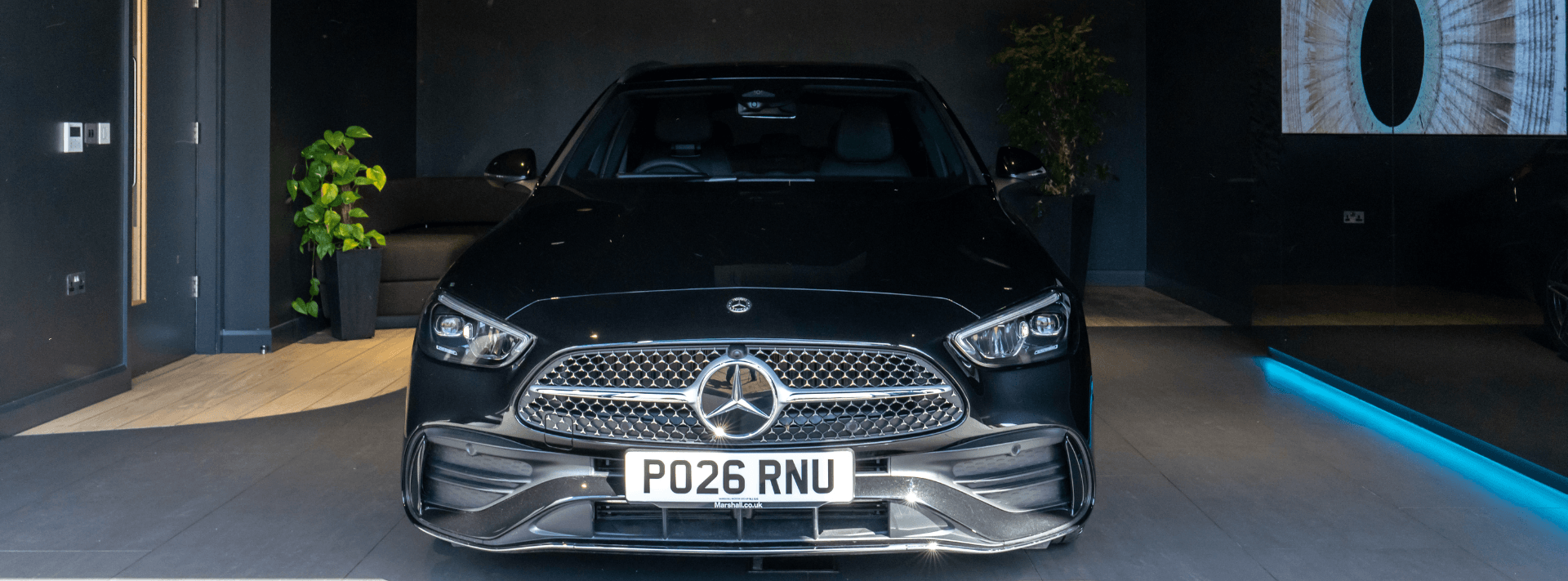
A dedicated handover bay transforms vehicle collection into an experience rather than a transaction. Premium lighting, clean presentation and thoughtful branding reinforce that the customer has made the right decision.
It also creates highly shareable moments that generate referrals, positive reviews and social media content long after the sale is complete.
Your showroom starts selling long before your sales team does. Every design decision either builds customer confidence or quietly undermines it.
What high performing dealerships do differently –
While every dealership differs in size, franchise and customer demographic, the strongest performers often share similar characteristics.
- Their environments feel intentional rather than simply maintained.
- Layouts guide customers naturally through the building without confusion. Brand standards are consistently applied. Materials remain high quality throughout public areas rather than concentrating investment in reception alone.
- Lighting is carefully considered instead of purely functional.
- Consultation areas feel welcoming rather than improvised.
- Staff circulation works efficiently behind the scenes without disrupting customers.
- Importantly, these dealerships continually evolve their spaces rather than waiting until refurbishment becomes unavoidable.
- They understand that customer expectations change quickly. Retail environments from hospitality, premium fashion and consumer technology increasingly shape what people expect everywhere else – including automotive.
Refurbishment is an investment, not simply a cost –
Large refurbishment projects are often assessed purely against capital expenditure.
That perspective misses the wider commercial picture.
A refreshed showroom can influence multiple areas of dealership performance simultaneously:
- Increased customer confidence from the moment they arrive
- Longer dwell times across display areas
- Better support for premium vehicle positioning
- Improved staff pride and morale
- Stronger alignment with manufacturer standards
- Enhanced customer satisfaction and online reviews
- Greater confidence during finance and purchasing discussions
Unlike marketing campaigns that disappear once budgets stop, physical improvements continue influencing every customer who walks through the door for years afterwards.
Viewed over the lifespan of the investment, refurbishment becomes part of the dealership’s revenue strategy rather than simply its maintenance budget.
Brief your contractor around commercial outcomes –
One of the biggest mistakes dealerships make is briefing contractors solely around finishes, materials or compliance requirements.
Those specifications matter—but they’re only part of the picture.
The better conversation begins with commercial objectives.
Ask questions such as:
- What customer experience are we trying to create?
- Which areas currently lose the most commercial opportunity?
- Where do customers spend the most time?
- Which spaces influence confidence most?
- How can the environment support our sales process?
Once those objectives are understood, design decisions become far easier.
Floor finishes, lighting layouts, furniture specification and spatial planning all become tools for achieving measurable business outcomes rather than isolated design choices.
This collaborative approach also allows contractors with specialist automotive experience to contribute ideas that property teams or facilities managers may not have considered.
Creating environments that sell –
The most successful dealerships understand that today’s customers buy more than vehicles.
They buy confidence.
They buy reassurance.
They buy the experience surrounding one of the largest purchases they’ll make.
Every part of the physical environment either reinforces that confidence or quietly erodes it.
For dealer principals, estates teams and franchise operators, the showroom should therefore be viewed as one of the dealership’s most valuable commercial assets—not simply a building that houses stock.
When designed strategically, the environment works alongside your sales team every day, helping customers feel comfortable, building trust before conversations begin and creating an experience that reflects the quality of the vehicles you sell.
Because the showroom isn’t just where sales happen.
It’s one of the reasons they happen in the first place.
345 Interiors approaches dealership refurbishment as a commercial investment, not simply a construction project.
If you’re planning a showroom refurbishment and want to explore how your environment can better support sales, we’d be happy to talk you through our approach.